
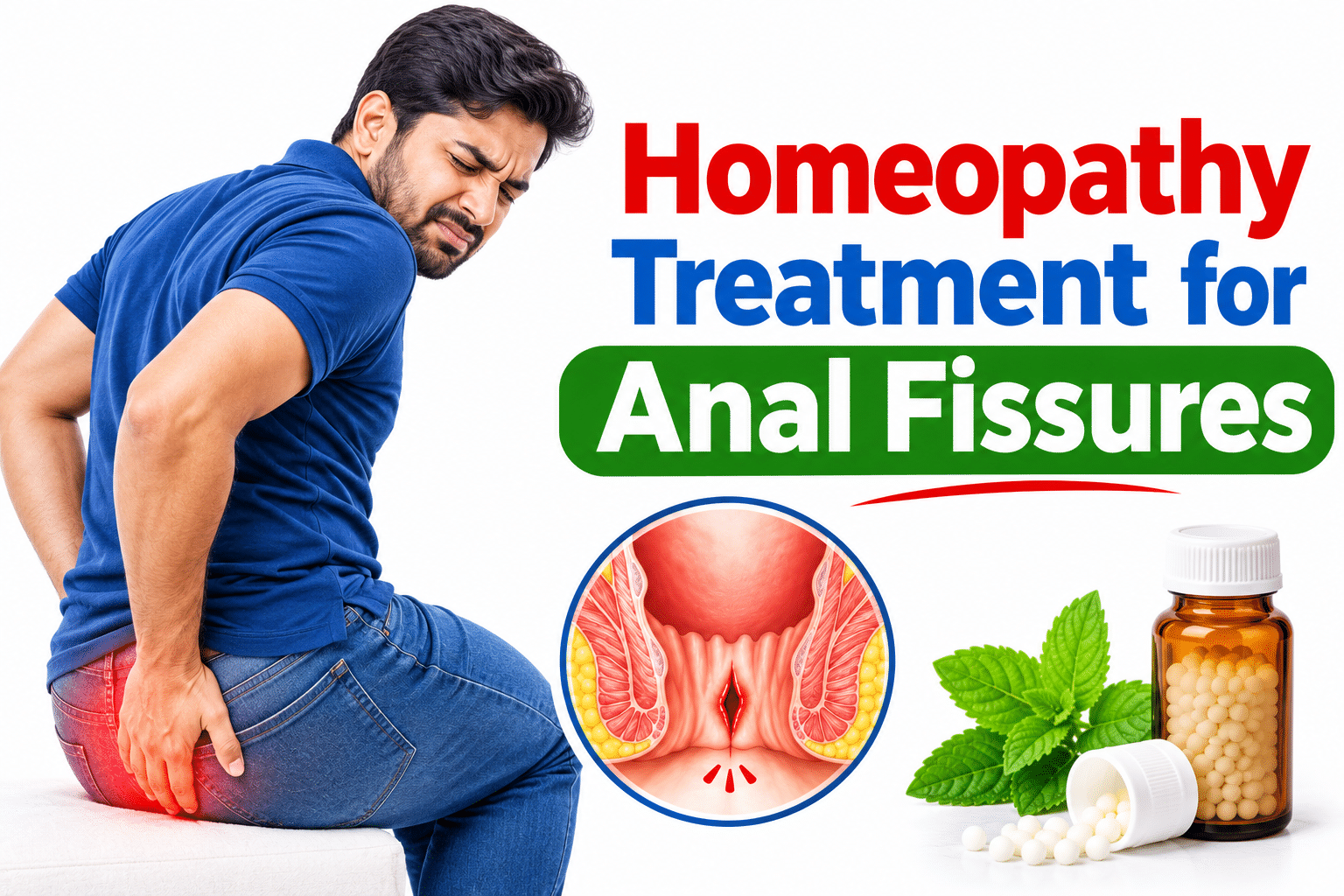
Anal fissures are a common condition that can cause considerable discomfort and affect everyday activities. They are small tears or cuts in the thin lining of the anus, often resulting in pain, burning sensations, and bleeding during bowel movements. Although the condition may feel embarrassing to discuss, seeking timely medical attention is important. Understanding its causes, symptoms, and available treatment options can help people manage the condition and prevent complications.
What Are Anal Fissures?
An anal fissure is a small tear in the skin surrounding the anal opening. It commonly develops when passing hard or large stools causes stretching and injury to the delicate tissue. The condition may be acute, lasting a few weeks, or chronic, continuing for several weeks or recurring frequently.
People with anal fissures often experience sharp pain during bowel movements. The discomfort may continue for some time afterward, making daily activities uncomfortable. Early diagnosis and appropriate care can help prevent the condition from becoming chronic.
Common Causes of Anal Fissures
Several factors can contribute to the development of anal fissures. Identifying these causes is essential for managing the condition effectively.
Common causes include:
- Chronic constipation: Passing hard stools can stretch and tear the anal lining.
- Excessive straining: Applying pressure during bowel movements increases the risk of tissue injury.
- Frequent diarrhoea: Repeated bowel movements can irritate the sensitive anal area.
- Low-fibre diet: Insufficient fibre intake may lead to constipation and hard stools.
- Dehydration: Not drinking enough water can make stools harder to pass.
- Childbirth: Physical pressure during delivery may contribute to anal fissures.
- Inflammatory bowel conditions: Certain digestive disorders may increase the risk of developing fissures.
Understanding these triggers helps people make suitable lifestyle changes alongside medical treatment.
Symptoms of Anal Fissures You Should Not Ignore
Recognising the symptoms early can help individuals seek medical advice before the condition worsens.
Common symptoms include:
- Sharp or burning pain during bowel movements.
- Bright red blood on toilet paper or stool.
- Itching or irritation around the anus.
- Discomfort that continues after passing stools.
- A visible small tear near the anal opening.
- Tightness or spasms around the anal muscles.
Persistent bleeding, severe pain, or recurring symptoms should always be evaluated by a qualified healthcare professional. Rectal bleeding should not automatically be assumed to be caused by fissures.
How Is an Anal Fissure Diagnosed?
Diagnosis generally begins with a discussion about symptoms, bowel habits, and medical history. A healthcare professional may perform a gentle examination to identify the tear and understand its severity.
Additional investigations may be recommended when symptoms are unusual, bleeding persists, or another underlying digestive condition is suspected. Early diagnosis helps determine the most appropriate treatment approach.
Homeopathy Treatment for Anal Fissures: Understanding the Approach
People exploring homeopathy treatment for anal fissures may be interested in understanding how this system approaches individual health concerns. Homeopathy generally considers a person’s overall symptoms, medical history, and individual health characteristics during consultation.
However, there is currently insufficient reliable scientific evidence that homeopathic medicines heal anal fissures or provide a proven cure. Therefore, homeopathy should not replace medically recommended treatment, particularly when symptoms are severe, persistent, or associated with bleeding.
Individuals considering complementary care should discuss it with their qualified healthcare provider and avoid delaying effective treatment.
Lifestyle Changes That Support Anal Fissure Care

Healthy daily habits play an important role in preventing constipation and reducing irritation during bowel movements.
Consider these practical measures:
1. Eat Fibre-Rich Foods
Include vegetables, fruits, whole grains, beans, and other fibre-rich foods in your meals. Dietary fibre helps soften stools and supports regular bowel movements.
2. Drink Enough Water
Staying hydrated helps maintain softer stools and supports digestive health. Water intake should be adjusted according to individual needs and medical advice.
3. Avoid Excessive Straining
Do not force bowel movements or spend excessive time sitting on the toilet. Responding to natural bowel urges can help reduce unnecessary pressure.
4. Try Warm Sitz Baths
Sitting in comfortably warm water for around 10 to 15 minutes may help soothe discomfort and relax the anal muscles. Avoid water that is too hot.
5. Maintain Physical Activity
Regular walking and gentle exercise can support healthy digestion and help prevent constipation.
When Should You Consult a Doctor?
Medical consultation is important when pain or bleeding continues, symptoms repeatedly return, or home care does not provide relief. A healthcare professional may recommend appropriate medicines, prescription ointments, or other procedures depending on the condition.
Chronic fissures may sometimes require specialised treatments, including injections or surgery. The right option depends on the individual’s examination findings and overall health.
Choosing the Right Homeopathy Clinic in Hyderabad
When searching for the best Homeopathy in Hyderabad, patients should consider qualified practitioners, transparent consultations, proper diagnosis, and responsible healthcare guidance. A reliable clinic should explain treatment limitations and recognise when referral to another medical specialist is necessary.
Star Homeopathy is one name people may explore when researching homeopathic healthcare services. Before choosing any clinic, patients should verify practitioner qualifications and discuss their symptoms and treatment expectations.
Conclusion
Anal fissures can cause pain, discomfort, and emotional stress, but timely diagnosis and appropriate care can make the condition manageable. Understanding the causes, recognising warning signs, improving dietary habits, and following medical recommendations are essential steps towards recovery. Although many people explore homeopathy for anal fissures, scientific evidence supporting its effectiveness remains insufficient. Prioritising qualified medical advice and proven treatments helps protect long-term digestive and overall health.