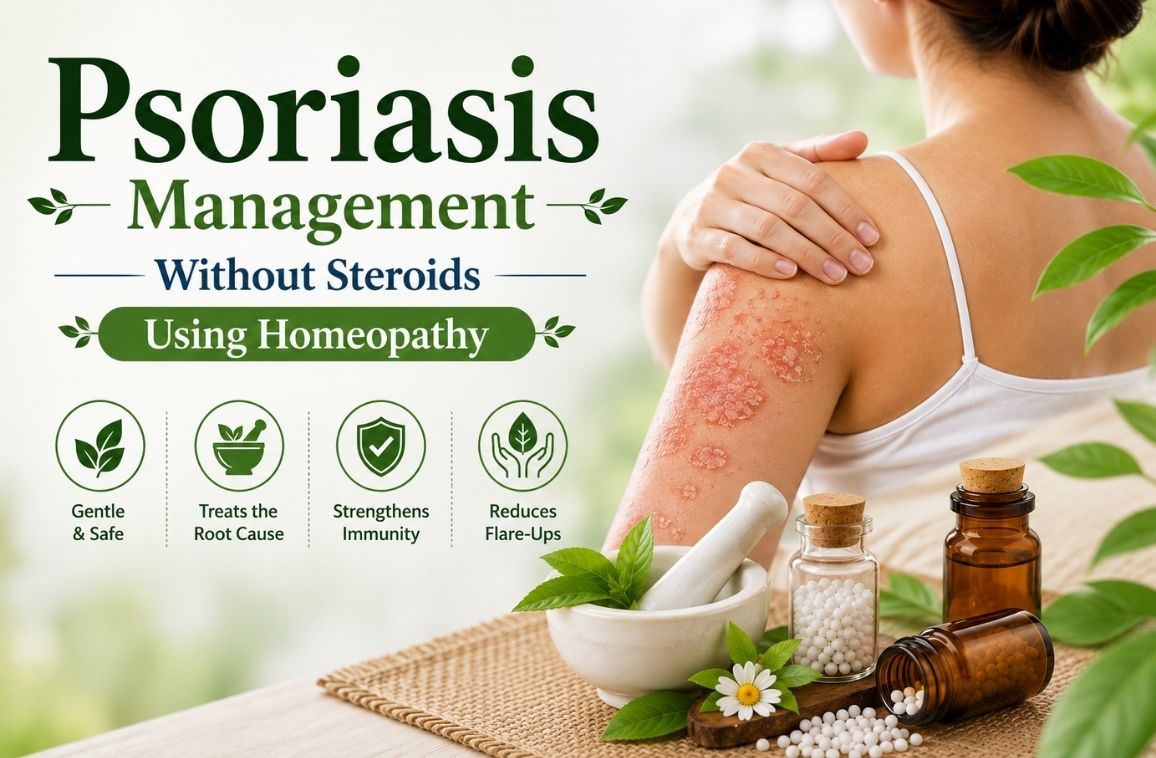
Psoriasis is a chronic skin condition that can cause red, itchy, dry, and scaly patches on different parts of the body. It commonly affects the elbows, knees, scalp, and lower back, although it can appear almost anywhere. Because psoriasis can come and go, managing symptoms consistently is important.
Many people explore complementary approaches alongside medical care, including homeopathy, lifestyle changes, and personalized skin-care routines. If you are considering homeopathy for psoriasis, it is important to discuss treatment options with a qualified healthcare professional.
Understanding Psoriasis
Psoriasis occurs when the immune system causes skin cells to develop and build up faster than usual. This can lead to thickened areas of skin covered with silvery scales. Symptoms can vary from person to person, and flare-ups may be triggered by stress, infections, skin injuries, weather changes, smoking, alcohol, or certain medicines.
Common symptoms include:
- Red or inflamed patches.
- Dry, cracked skin.
- Silvery-white scales.
- Itching or burning.
- Thickened or ridged nails.
- Soreness around affected areas.
Recognizing personal triggers can help reduce the frequency or severity of flare-ups.
Can Psoriasis Be Managed Without Steroids?
Steroid creams are commonly prescribed for psoriasis because they can reduce inflammation and itching. However, some people may prefer to discuss non-steroid approaches with their healthcare provider, particularly when symptoms are recurring or treatment needs to continue for longer periods.
It is important not to stop prescribed steroid treatment suddenly or replace proven treatment without professional guidance. Depending on the type and severity of psoriasis, doctors may recommend moisturizers, vitamin D medicines, phototherapy, oral medicines, or biologic treatments.
For people interested in natural psoriasis treatment, lifestyle and supportive skin-care measures can be useful additions to an individualized treatment plan.
Homeopathy and Personalized Care
Homeopathy is a complementary system of medicine in which remedies are selected according to an individual’s symptoms and overall health. Some people seek homeopathic care for chronic skin complaints because they prefer an individualized approach.
However, current scientific evidence does not establish homeopathy as an effective treatment for psoriasis, and it should not replace evidence-based medical treatment. A qualified practitioner can discuss what complementary care may be appropriate while helping ensure that necessary medical treatment is not delayed.
Everyday Skin-Care Habits
A consistent skincare routine can make a significant difference in comfort. Applying a fragrance-free moisturizer regularly can help reduce dryness and cracking. Lukewarm baths are generally preferable to very hot water, which can make dry skin worse.
Consider these simple habits:
- Moisturize immediately after bathing.
- Use gentle, fragrance-free cleansers.
- Avoid scratching affected areas.
- Keep fingernails trimmed.
- Protect skin from excessive dryness.
- Choose comfortable, breathable clothing.
These measures may help protect the skin barrier and reduce irritation.
Identify and Manage Triggers
Psoriasis triggers are different for everyone. Keeping a symptom diary can help identify patterns. Record changes in weather, stress levels, diet, sleep, medications, infections, and skin injuries.
Stress management can also be valuable. Gentle exercise, breathing exercises, adequate sleep, meditation, and enjoyable hobbies may help support overall well-being. A balanced diet containing vegetables, fruits, whole grains, lean proteins, and healthy fats can support general health, although no specific diet has been proven to cure psoriasis.
When Should You See a Doctor?
Professional evaluation is particularly important when psoriasis is widespread, painful, rapidly worsening, or affecting daily activities. Seek medical advice if symptoms involve sensitive areas such as the eyes or genitals, or if you develop significant joint pain, stiffness, or swelling. Psoriasis can be associated with psoriatic arthritis, which requires appropriate assessment and treatment.
A dermatologist can determine the type and severity of psoriasis and recommend suitable treatment. Complementary approaches should be considered alongside, rather than instead of, necessary medical care.
A Balanced Approach to Psoriasis Care
Managing psoriasis is usually a long-term process rather than a quick fix. A combination of appropriate medical treatment, healthy habits, regular moisturizing, trigger management, and emotional support can make living with psoriasis easier.
For those exploring complementary options, Star Homeopathy can be considered as a source of individualized homeopathic consultation, while patients should continue to seek qualified dermatological care when needed.
Final Thoughts
Psoriasis may be challenging, but consistent management can help control symptoms and improve quality of life. Avoiding known triggers, caring for the skin, maintaining healthy habits, and receiving appropriate professional guidance are important steps. If you are considering homeopathy, discuss it openly with your healthcare team so they can safely incorporate complementary care into your overall psoriasis management plan.