 Whatsapp
 7337067700
 support@starhomeopathy.com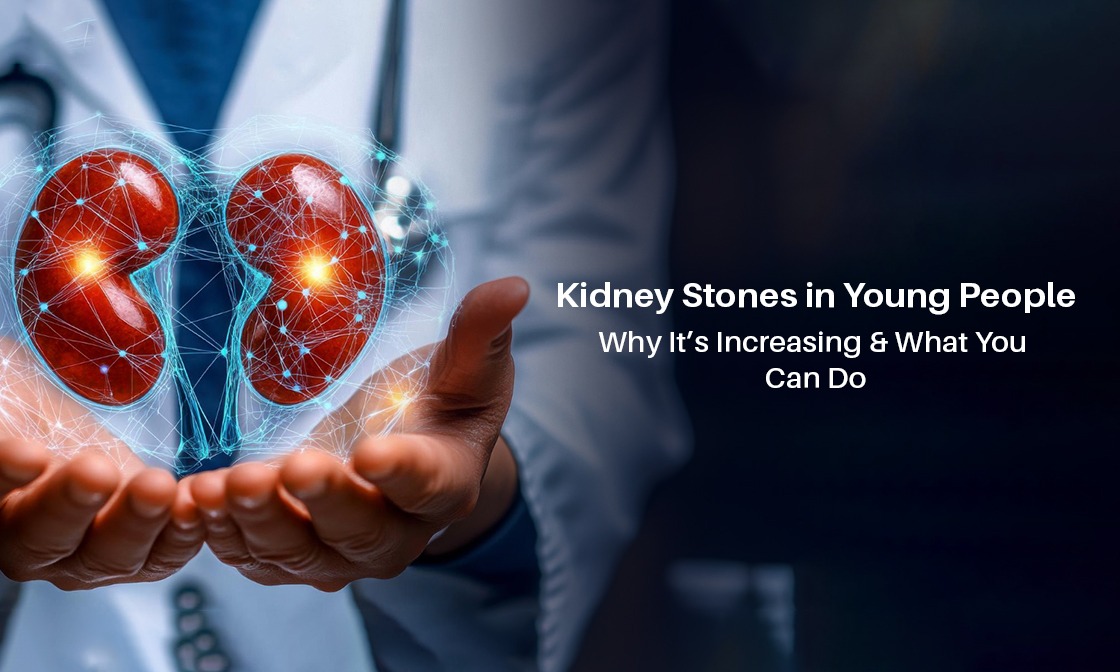
Why Kidney Stones Are Rising in Young People
Kidney stones were once considered a middle-aged health issue. No longer it is like that. Most of them take it seriously when a sharp pain hits their lower back and they are no longer able to sit, lie down, or stand comfortably. And suddenly, end up in an emergency room, only to discover they have a kidney stone.
Today, kidney stones in young people are becoming more common due to changing lifestyle habits. As lifestyles change and stress levels rise, kidney stones are quietly becoming common among young people.
If you think kidney stones happen only to older people, this is the right time to rethink. Many young professionals and students are now facing this issue
Reasons Behind the Rise of Kidney Stones in Young people
Several modern lifestyle habits are increasing the risk of kidney stones in young peoples:
- Dehydration: Not drinking enough water is one of the biggest reasons. When the body lacks fluids, urine becomes concentrated, making it easier for minerals to form stones
- Processed & High-Sodium Diet:Frequent consumption of packaged foods, fast food, and excess salt increases calcium levels in urine, which can lead to stone formation.
- Sedentary Lifestyle:Sitting for long hours with little physical activity affects overall metabolism and may increase the risk over time.
. - Stress & Hormonal Imbalance:Ongoing stress and irregular routines can disturb the body’s balance, indirectly contributing to stone formation.
- Family History:If kidney stones run in the family, the chances of developing them at a younger age are higher.
Today’s daily routine plays a major role in the rising cases of kidney stones in young people.
Long working hours, irregular eating habits, high coffee intake, protein supplements without proper water intake, and lack of physical activity all increase the risk.
Many young professionals sit for 8–10 hours a day and forget to drink enough water. When the body does not get adequate fluids, urine becomes concentrated, which makes it easier for minerals to form stones. These habits may look small on a daily basis, but when they continue for months or years, they significantly increase the chances of developing kidney stones at a young age.
Early Signs of Kidney Stones in Young People
Kidney stones may not always present dramatically in the beginning. Watch for:
- Mild lower back or flank pain
- Burning sensation while urinating
- Frequent urge to urinate
- Cloudy or foul-smelling urine
- Occasional blood in urine
- Nausea or abdominal discomfort
Young people ignore these early signals until severe pain occurs. In many young people, the pain starts as mild discomfort that comes and goes. Sometimes it shifts from the lower back to the side of the abdomen. Because the pain reduces on its own, they assume it is muscle strain or acidity. This delay often allows the stone to grow bigger.
Who Is at Higher Risk?
Certain groups of Young people may be more prone to kidney stones:
- IT professionals and desk workers who sit long hours
- Students preparing for competitive exams with irregular routines
- People consuming high-protein diets without adequate water
- Individuals with family history of kidney stones
- Those who frequently consume packaged or salty food
Identifying risk early helps in preventing repeated episodes later.
Steps to Take During the Early Stages of Kidney Stones
If you notice early symptoms, do not wait for unbearable pain. Small steps in the beginning can prevent bigger problems later.
- Increase water intake (unless your doctor has restricted fluids)
- Reduce salt and packaged food
- Avoid excessive soft drinks
- Manage stress and sleep properly
- Get proper medical evaluation when needed
Early scans and urine tests can help detect the size and location of the stone. Managing the condition at this stage is usually simpler compared to emergency situations.
Risks of Ignoring Early Kidney Stone Symptoms
Small stones may grow larger over time. Delayed care may lead to:
- Sudden severe colicky pain
- Repeated urinary infection
- Swelling of the kidney
- Recurrence every few months
- In rare cases, kidney damage
Early management prevents complications and invasive procedures. Repeated stone formation can also affect daily productivity. Many young people experience missed workdays, disturbed sleep, and anxiety due to unpredictable pain episodes. Preventing recurrence becomes very important at this stage.
Common Types of Kidney Stones in Young people
Calcium Stones
The most common type seen in Young people is calcium stones. These usually form due to dehydration and high salt intake.
Uric Acid Stones
Another type is uric acid stones, which may be linked to high-protein diets and low water consumption.
Understanding the type of Kidney stone helps in making simple lifestyle changes and planning the right supportive treatment to prevent it from recurring.
Homeopathic Approach for Kidney Stones in Young people
At Star Homeopathy, we focus on individualized treatment.
Instead of only addressing the stone, we consider the body’s tendency to form stones, stress patterns, hydration habits, food preferences, and overall constitution. Instead of only suppressing pain, the approach is to support the body’s natural balance and reduce the recurring tendency. The goal is not just short-term relief, but reducing the chances of repeated stone formation.
Importance of Early Homeopathic Care
Bodies respond beautifully when supported in the initial stages. Homeopathy can help reduce recurrence tendency, support comfortable urination, improve metabolic balance, and address underlying susceptibility.
Young adults generally respond faster when treatment begins early. Delaying care may lead to larger stones, more pain episodes, and repeated dependency on emergency medicines. Early support helps in maintaining long-term comfort.
Frequently Asked Questions
Can kidney stones occur repeatedly in young adults?
Yes. Once a person develops a stone, the chances of recurrence is higher especially if the lifestyle is not corrected accordingly. Regular follow-up and proper guidance can help reduce this repeated cycle.
Is homeopathy safe for long-term kidney stone problems in young people?
Yes. Only and only when prescribed by a qualified practitioner and is under their supervision regularly. Self-medication is not advisable in any chronic condition.
What lifestyle changes should young people make along with homeopathy?
Adequate hydration, reduced salt intake, balanced diet, stress management, and regular exercise are non-negotiables provided they have no other medical conditions. Simple daily discipline plays a big role in preventing future stones.
When should young people with kidney stones consult a doctor?
Immediate consultation is necessary if there is severe pain, fever, vomiting, difficulty urinating, or blood in urine. Do not ignore fever with pain. It may indicate infection and needs urgent attention.
Will homeopathy just reduce the pain, or can it help with the kidney stone too?
Homeopathy helps with the kidney stone too. Regular monitoring through imaging is important to track progress. Pain relief is important, but long-term prevention is equally important.