 Whatsapp
 7337067700
 support@starhomeopathy.com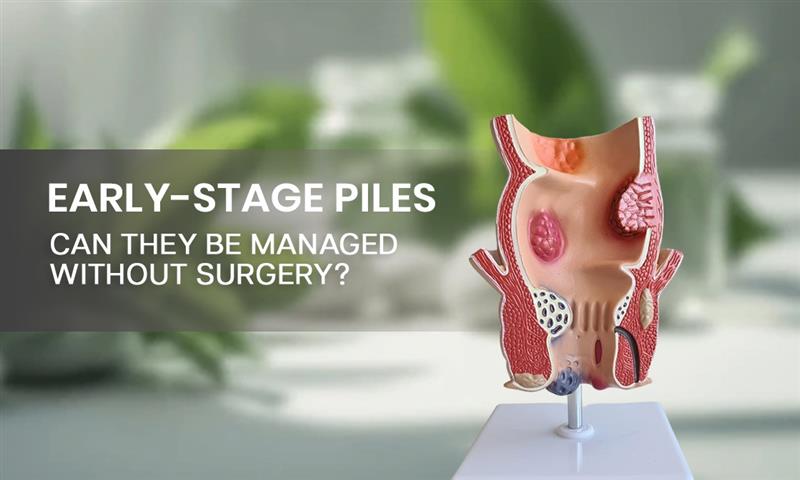
Managing Early-Stage Piles Without Surgery
Early-Stage Piles
Early-stage piles often begin quietly. Many people first notice mild discomfort while passing stool, a burning sensation around the anal area, or hard stool with occasional spotting of blood. The good news is that not every case of piles requires surgery, especially when the condition is identified in the early stages.
Pain may persist for hours after defecation. Many people ignore these early signs. Some blame spicy food, while others assume it is body heat or temporary constipation and try to drink more water, hoping it will settle on its own. But deep down, they know something is not right.
These symptoms often indicate early-stage piles (hemorrhoids). The good news is that when identified early, piles can often be managed effectively without surgery, especially with proper medical guidance and lifestyle correction.
Piles, also known as hemorrhoids, are swollen veins in the rectal or anal region. They develop due to increased pressure in the veins of the lower rectum.
In the early stages (Grade 1 or mild Grade 2 piles), symptoms may include:
At this stage, the swollen veins are usually small and may not permanently protrude outside the anus. Because symptoms are mild, many patients delay treatment, assuming the condition will resolve on its own. However, early medical care can prevent piles from progressing to severe stages.
Common Causes and Lifestyle Triggers of Early-Stage Piles
Piles rarely develop overnight. They are usually the result of long-term lifestyle habits that increase pressure in the rectal veins.
Several common lifestyle and dietary triggers include:
1. Chronic Constipation
Frequent straining during bowel movements increases pressure in the rectal veins, leading to swelling.
2. Long Sitting Hours
Sedentary lifestyles and desk jobs reduce circulation in the pelvic region, contributing to hemorrhoid formation.
3. Low-Fiber Diet
A diet lacking fruits, vegetables, and whole grains leads to hard stools and difficult bowel movements.
4. Pregnancy
Hormonal changes and increased abdominal pressure during pregnancy can trigger piles in many women.
5. Irregular Bowel Habits
Ignoring the urge to pass stool can worsen constipation and increase rectal pressure.
Over time, these factors cause the veins to stretch and swell, eventually leading to piles or hemorrhoids.
Why Early Treatment of Piles Matters
Early-stage piles are much easier to manage compared to advanced stages.
When treated early, symptoms like bleeding, burning, and constipation can often be controlled through medicines and lifestyle adjustments. But if ignored, piles may gradually worsen.
Delayed treatment can lead to:
What could have been managed with simple medical treatment may later require procedures or surgery if neglected. That is why early diagnosis and treatment are important.
Common Mistakes That Worsen Piles
Many patients hesitate to consult a doctor due to embarrassment. As a result, they often rely on self-treatment or ignore symptoms until the condition worsens.
Common mistakes include:
Piles are extremely common, and many people experience them at some stage of life. Seeking timely treatment can prevent unnecessary complications.
Homeopathic View of Early-Stage Piles
Homeopathy approaches piles by looking beyond the local swelling. Instead of focusing only on temporary relief, it considers the underlying causes and individual symptoms that contribute to the condition. Factors such as chronic constipation, digestive disturbances, stress, sedentary lifestyle, and bowel habits are evaluated before selecting the appropriate remedy.
This individualized approach aims to support the body’s natural healing process and improve overall digestive health.
At Star Homeopathy, detailed case-taking helps understand each patient’s condition better. Treatment is designed based on the patient’s symptoms, lifestyle, and underlying tendencies, which can help support recovery in early-stage piles.
Benefits of Homeopathy in Early-Stage Piles
Many patients prefer homeopathy during the early stages of piles because it offers a non-invasive approach to management.
Some reasons include:
Homeopathic treatment works best when supported with proper hydration, fiber-rich diet, and healthy bowel habits.
Lifestyle Changes That Help Manage Early-Stage Piles
Along with medical treatment, certain lifestyle changes can significantly improve symptoms:
These simple changes can help reduce pressure in the rectal veins and support recovery.
Frequently Asked Questions
Can early-stage piles heal through homeopathy treatment?
Yes. Homeopathy helps chronic constipation tendencies, potentially preventing progression thus avoiding surgery.
How long does early piles management take?
Duration varies from individual to individual. Usually severity, chronicity, bowel habits, and lifestyle changes are considered. Many show improvement within weeks, but complete stabilization may require consistent follow-up.
Can homeopathy treat piles without surgery?
Yes, it can in early stages. However, advanced stages with complications may require surgical evaluation.
How long does it take for bleeding to stop with homeopathy medicine?
The exact duration varies from person to person. In early cases, it may reduce quickly, while in others it gradually decreases with treatment.