
 Whatsapp
 7337067700
 support@starhomeopathy.com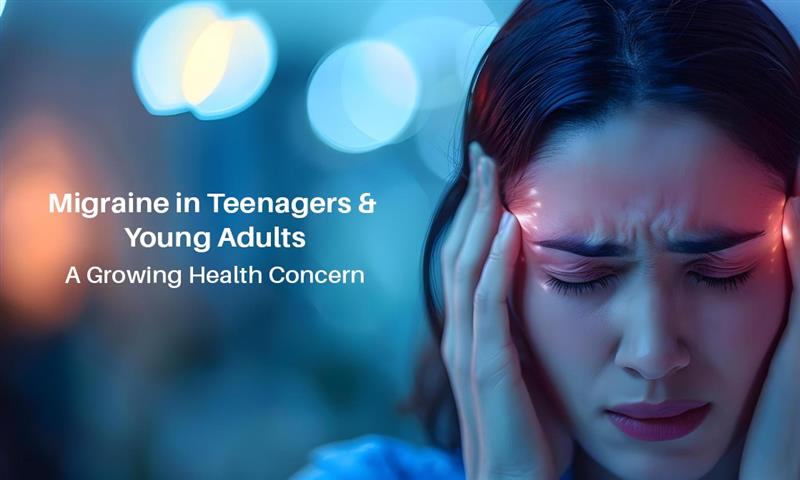
Migraine in Teenagers and Young People: A Growing Health Concern
Migraine is no longer rare among adults alone. Migraine in teenagers and young people is becoming increasingly common today, especially at a stage of life when focus, energy, and performance matter the most.
The hardest part is that many people around them may not fully understand the condition. As a result, patients often continue simply surviving the pain instead of seeking proper treatment.
Common Causes of Migraine in Teenagers and Young People
Migraine does not randomly attack. It usually develops gradually as the brain becomes more sensitive to different triggers. Today’s lifestyle plays a major role. Many teenagers and young adults deal with habits and situations that can trigger migraines, such as:
- Late-night screen usage and excessive mobile scrolling
- Irregular meal timings
- Academic pressure and career competition
- Frequent caffeine consumption
- Emotional stress
- Poor or disturbed sleep cycles
- Hormonal fluctuations, especially in teenage girls and young women
When these factors continue for a long time, the brain becomes more sensitive to triggers. If there is a family history of migraine, the chances of developing a migraine can be even higher.
The brain remains constantly stimulated and rarely gets enough rest. In most cases, migraine is not caused by a single factor. It usually develops due to a combination of stress, lifestyle habits, and individual sensitivity.
How Lifestyle and Stress Worsen Migraines in Teenagers
Many young people today live with constant mental pressure and overstimulation. Daily habits and modern lifestyle patterns can quietly make migraines more frequent.
Some common factors include:
- Constant notifications and digital distractions
- Academic or workplace performance pressure
- Relationship struggles and emotional stress
- Fear of missing out (FOMO) and social comparison
- Sleeping late or after midnight
- Skipping breakfast or irregular meals
- Studying or working for long hours without breaks
- Heavy reliance on caffeine
- Eating at random or inconsistent times
- Unspoken emotional struggles
- Excessive screen time
Young adults often push themselves to keep up with these demands without realizing the strain it places on their bodies.
The brain functions best with routine and balance. When daily routines become irregular, sleep patterns change, and stress keeps building, the brain becomes more sensitive to triggers. Over time, this can lead to more frequent migraine episodes.
Migraine Symptoms May Differ in Young People
Not all migraines appear dramatic or obvious. In many young people, the symptoms can be subtle and easily overlooked.
Some commonly reported symptoms include:
- Pain on one side of the head, and sometimes on both sides (especially in teenagers)
- Nausea or vomiting
- Sensitivity to light and sound
- A strong desire to lie down in a dark, quiet room
- Feeling drained or exhausted even after the pain subsides
Because symptoms can vary from person to person, migraines are often mistaken for sinus headaches, eye strain, or simple stress. However, when headaches keep returning again and again, it usually indicates a pattern rather than a coincidence.
Why Painkillers Alone Do not Solve Migraine
Taking a painkiller can feel like a quick rescue. It often provides fast relief. You take a tablet, sleep for a while, wake up, and continue with your routine. Sometimes, this temporary relief is genuinely needed.
However, the reality is that a tablet only reduces the pain. It does not address the underlying tendency for migraines.
If the triggers remain the same, the migraine is likely to return. Over time, frequent use of painkillers can even lead to rebound headaches, where headaches occur more often because of regular medication use.
Migraine management is not about fighting one attack at a time. Instead, it focuses on reducing the frequency of migraines and lowering dependency on painkillers.
Long-Term Migraine Management Approach
Migraine often improves when daily life becomes more predictable and balanced. Managing migraine effectively means taking proactive steps to prevent attacks rather than only treating the pain after it begins.
Simple lifestyle changes can make a significant difference, such as:
- Sleeping at consistent times
- Not skipping meals and eating regularly
- Drinking enough water and staying well hydrated
- Reducing late-night screen exposure
- Taking short breaks during study or work
- Practicing stress-management techniques
- Identifying personal migraine triggers
Small changes, when followed consistently, can lead to noticeable improvement in the frequency and intensity of migraine attacks.
How Homeopathy Understands Migraine in Teenagers and Young People
Homeopathy aims to understand the individual pattern and gradually reduce the sensitivity of the nervous system. It does not just focus on the headache.
At Star Homeopathy, we believe every individual is different, their suffering is different. A detailed case taking helps to identify patients’ main concerns.
Few questions are asked like:
- Is the migraine worse during stress or anxiety?
- Is the person very sensitive or perfectionistic?
- Does it come before exams?
- Does the migraine worsen around menstrual periods?
- Is there suppressed emotion?
Every small detail helps identify possible migraine triggers. Each migraine story is unique. The aim is gradual reduction in frequency, intensity, duration and ideally reducing dependence on repeated painkillers over time.
Why Homeopathy Is Preferred for Long-Term Migraine Management?
Many people prefer homeopathy because it is individualized, focuses on long-term balance, helps reduce recurrence, and lowers dependency on frequent painkillers.
It also considers emotional and hormonal factors. Patients often respond well when treatment begins early before the pattern becomes chronic.
However, any unusual neurological symptoms should always be evaluated with proper medical tests.
Frequently Asked Questions
Will I have to take Homeopathy medicines for life?
No. Treatment duration depends on how long migraines have been present and how frequent they are. The goal is to gradually reduce the recurrence tendency, not lifelong medication.
Can I stop painkillers once I start homeopathy medicine?
Yes, you can. As migraine frequency reduces gradually, dependency decreases under supervision.
Is homeopathy safe for teenagers with migraines?
Yes, when prescribed by a qualified practitioner. Homeopathy is generally well tolerated and individualized for each person irrespective of age. It does not have side effects.
What are the 4 stages of a migraine?
Migraine often progresses through four stages:
- Prodrome – Early signs like mood changes, neck stiffness, and food cravings.
- Aura – Visual or sensory changes.
- Attack – Throbbing pain, nausea, and light sensitivity.
- Postdrome – Fatigue or brain fog after the headache ends.
Not everyone experiences all stages.
When Should You See a Doctor for Migraines?
If headaches become frequent, severe, or start interfering with daily activities, medical evaluation is important.Sudden severe headaches, vision problems, weakness, or neurological symptoms should always be checked by a healthcare professional.